Monday, November 14, 2011

Our Colon (Large Intestine)

The colon is the last part of the digestive system in most vertebrates; it extracts water and salt from solid wastes before they are eliminated from the body, and is the site in which flora-aided (largely bacterial) fermentation of unabsorbed material occurs. Unlike the small intestine, the colon does not play a major role in absorption of foods and nutrients. However, the colon does absorb water, potassium and some fat soluble vitamins.

This is the digram of the large intestine inside our body.
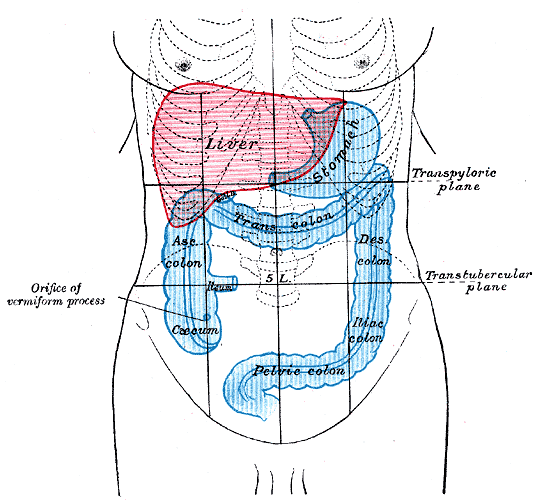
File:Gray1223.png

Sunday, November 13, 2011

Our Small Intestine

The small intestine is the part of the Gastrointestinal tract following the stomach and followed by the large intestine(colon), and is where much of the digestion and absorption of food takes place. In invertebrates such as worms, the terms "gastrointestinal tract" and "large intestine" are often used to describe the entire intestine. This article is primarily about the human gut, though the information about its processes is directly applicable to most placental mammals. The primary function of the small intestine is the absorption of nutrients and minerals found in food.
This is the diagram of our small intestine together with our large intestine:

File:Stomach colon rectum diagram.svg

Our Hair

Hair is a filamentous biomaterial, that grows from follicles found in the dermis. Found exclusively in mammals, hair is one of the defining characteristics of the mammalian class. 

Let's take a look at a cross section of a hair.
Gray945.png

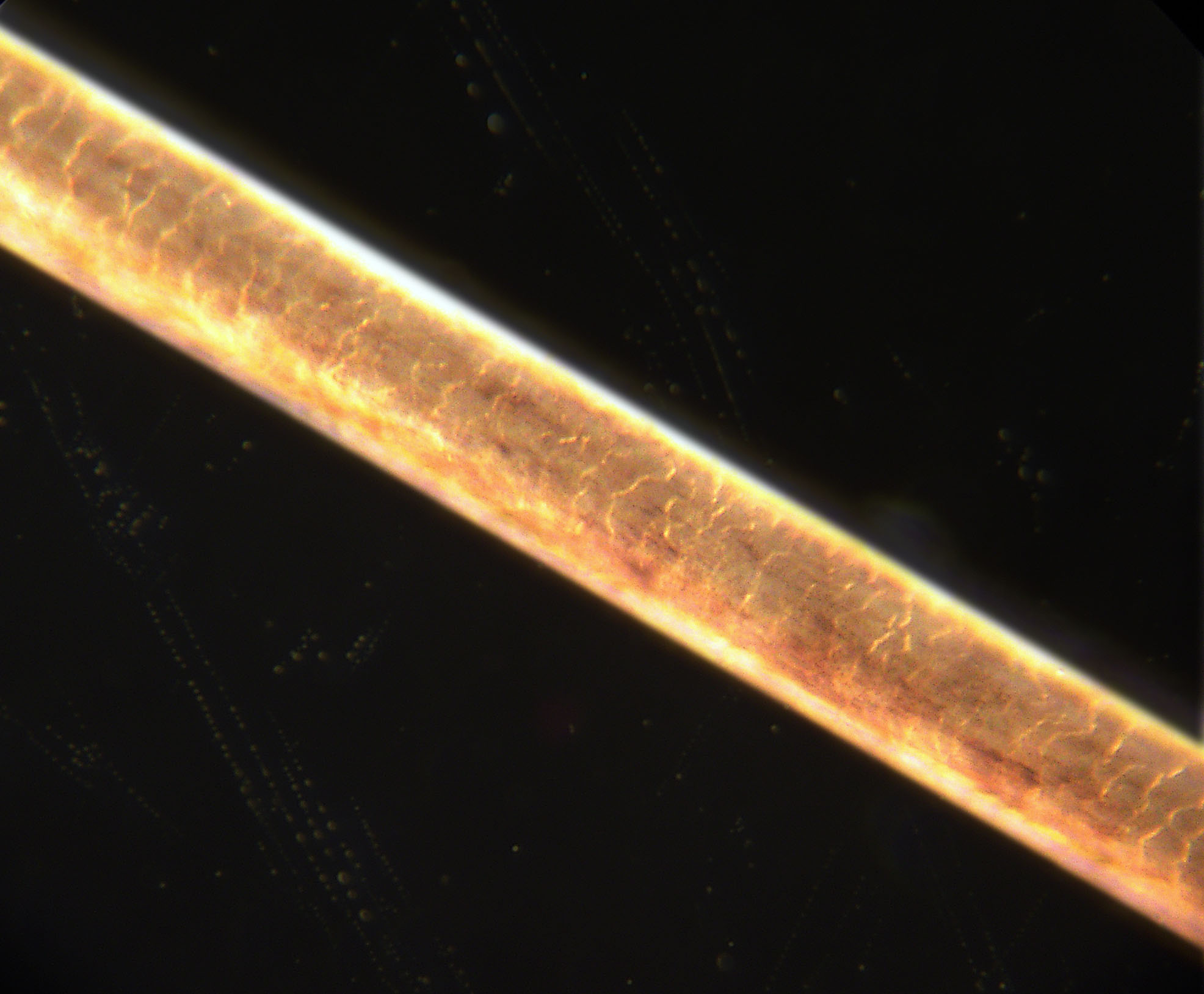
Let's also look at a human strand of hair.(200x magnification)

File:Menschenhaar 200 fach.jpg

Our Thigh

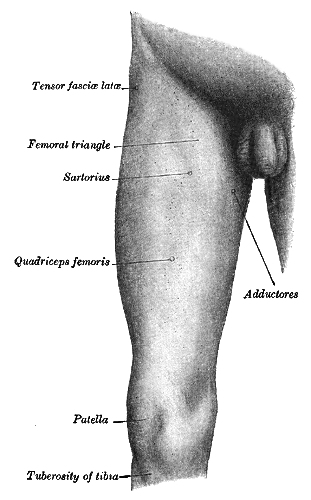
The single bone in the thigh is called the femur. This bone is very thick and strong (due to the high proportion of cortical bone), and forms a ball and socket joint at the hip, and a condylar joint at the knee.

Let's take a look at the digram of a man's right thigh.

File:Gray1238.png

Monday, November 7, 2011

Our Heart

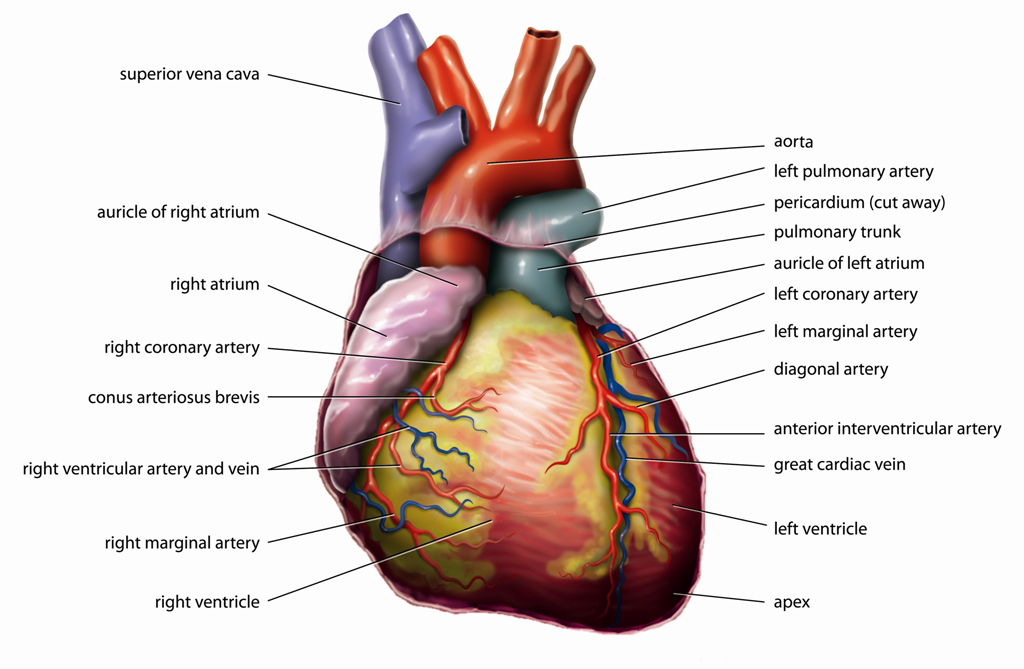
The heart is a myogenic muscular organ found in all animals with a circulatory system (including all vertebrates), that is responsible for pumping blood throughout the blood vessels by repeated, rhythmic contractions.

Let's see the struture of the heart.

File:Anatomy Heart English Tiesworks.jpg

Our Nose

Our nose is what we "use" to smell. Smelling is one of the senses in our human body.

Let's take a close look at the nose.

File:TE-Nose diagram.svg

Our Skull

The skull protects the brain. In humans, an adult skull is usually made up of 22 bones.

Let's take a look at a digram of the human skull.

 
File:Skull bones.jpg